
I have been working remotely for more than twenty years.
It started as a home office with frequent travel. Airports, client sites, hotel desks, and early video calls before anyone called it “remote work.” Over time, that evolved into fully distributed teams, asynchronous collaboration, and leading people I rarely saw in the same room.
Because of that, I have watched management habits change slowly, and sometimes not at all.
For a long time, I believed good leadership meant being available.
Available on Slack.
Available in meetings.
Available to respond quickly so no one questioned my commitment.
I was not tracking timecards, but I was measuring effort by presence. Green dots. Fast replies. Full calendars. That quiet pressure to always be on.
This past year made something clear in a way no book ever could. Presence is not performance. Effort is not the same thing as progress.
The real issue behind micromanagement
When leaders fixate on hours, activity, or responsiveness, it is rarely about productivity. It is usually about uncertainty.
When outcomes are unclear, control fills the gap.
Peter Drucker wrote about this decades ago with Management by Objectives. The idea was simple. People perform better when expectations are clear and success is defined up front. Andy Grove later turned that thinking into more measurable systems at Intel, which evolved into what many teams now know as OKRs.
The lesson holds. Clarity beats hovering.
If you feel the urge to monitor activity, pause and ask a better question. Is the work unclear, or is trust breaking down?
Then solve the right problem.
Shift from hours to outcomes
I do not believe in measuring contribution by time spent. I believe in measuring it by results created.
After two decades of remote and hybrid work, this is the single biggest difference between teams that thrive and teams that burn out.
Clear outcomes change everything.
They reward efficiency.
They encourage ownership.
They reduce anxiety on both sides.
If you lead a team, define two things clearly:
What good looks like
When it is due
Once those are clear, step out of the how. Most capable people do not need minute by minute oversight. They need trust and room to think.
If you are managing up, do not wait to be asked. Share your priorities and your deliverables. Make progress visible. When results are clear, scrutiny usually fades.
Reduce noise to increase focus
Another lesson that took years to fully appreciate: not everything needs to happen in real time.
Constant meetings and instant response expectations fracture attention. Research on deep work and cognitive load shows that context switching is one of the fastest ways to drain productivity without realizing it.
Asynchronous communication is not a remote perk. It is a performance strategy.
Written updates, shared documents, and short recorded explanations allow people to engage when their focus is strongest.
Two practical shifts:
Replace recurring status meetings with a simple weekly written update
Use recorded updates for context and let discussion happen asynchronously
Less noise almost always leads to better thinking.
Accountability without surveillance
A common fear I hear from leaders is, “How do I know work is getting done if I cannot see it?”
The answer is not monitoring. It is visibility.
Healthy accountability looks like a scoreboard, not a spotlight. When priorities and progress live in a shared system, trust becomes practical instead of emotional.
Why this matters now
After twenty plus years of remote work, one truth stands out. People do their best work when they are trusted, not watched.
Stop counting hours.
Start counting wins.
The goal is not working less.
It is working cleaner.
And that shift benefits everyone.
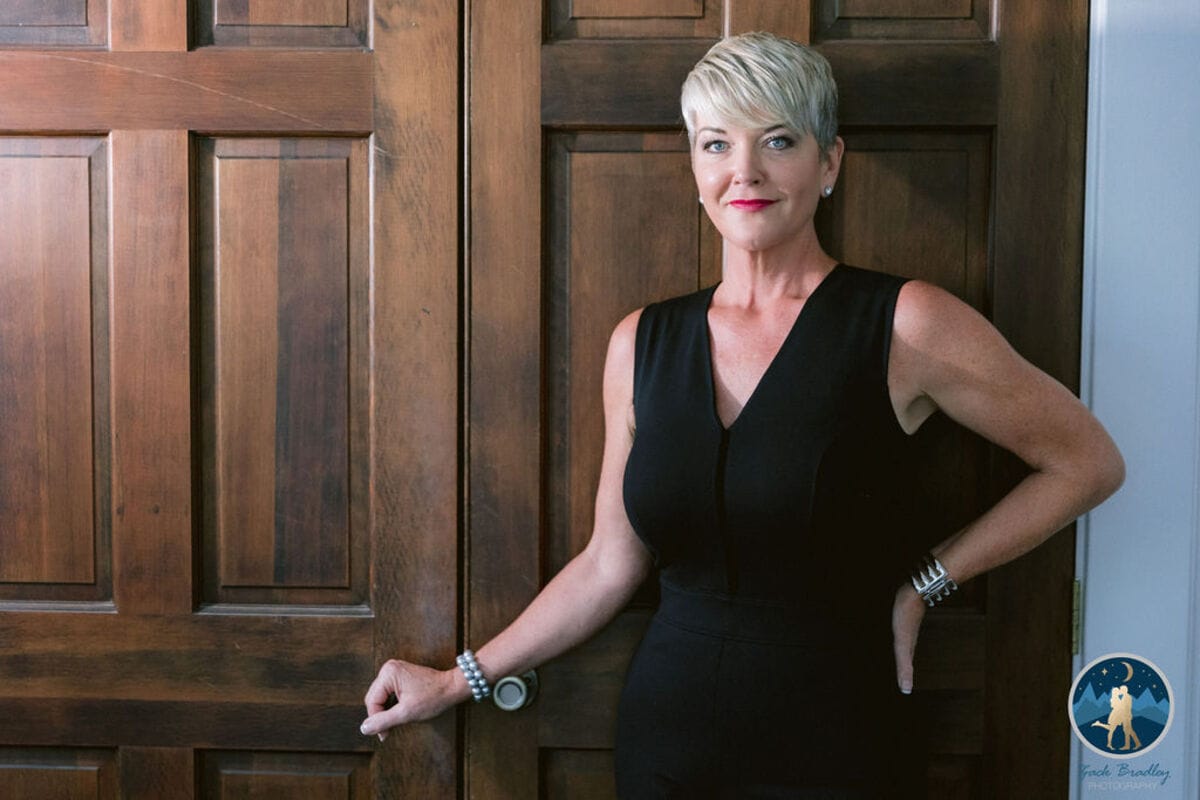
Shellie Sullivan is a remote work powerhouse, co-founder of Thrive Remotely. With 20 years of experience leading remote teams, she knows firsthand what it takes to drive results while keeping work-life balance in check. A champion for remote professionals, Shellie is dedicated to helping others thrive—whether through her leadership, writing, or community-building efforts with Thrive Remotely and AVL Digital Nomads. Her voice is smart, warm, and refreshingly real, offering insights on leadership, connection, and success in the ever-evolving world of remote work.


RESOURCES
Cool newsletters you’ll love 🥰
🧑💻 Big Desk Energy : Startup insights, stories, and vibes sent to your inbox every Tuesday
🙈 Chaotic Era : A newsletter about politics, media, and online influence in Democracy’s chaotic era.
📈 Revenue Memo : A newsletter that unpacks how great companies make money
🌺 Find Joy in Your World Today
New to Thrive Remotely? Check out the newsletter archives
Want to reach 10,000+ remote pros who actually read their email? Partner or advertise with us
Is your remote work setup costing you top talent? Take the Remote Performance Diagnostics
Looking for a new job? Check out our curated Job Board
How about sassy remote working swag? Shop our store
Like valuable podcasts? The Thrive Remotely Podcast
Help support this newsletter? Buy us a coffee 🙏🏻
Meet people IRL? See our Community Calendar
Have an idea for a story or column? Pitch us
